Open data for the open range: why we started Open Range Systems
Reliable, research-grade data is hard to get in remote country. We're building a low-cost, open, satellite-connected system to fix that — and an operating system for the automated ranch.

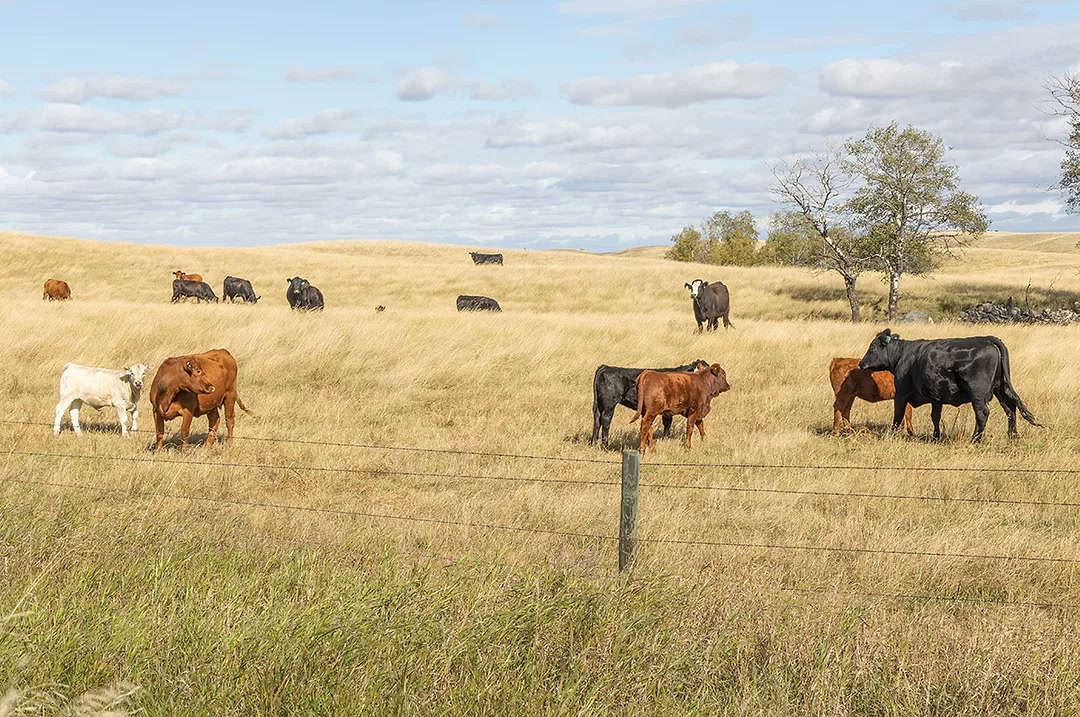
On extensive rangeland, the data stops at the edge of coverage. The animals a researcher most wants to study live exactly where there’s no cell signal, no power, and no gateway—a hundred miles past the last tower.
That gap is expensive to close. Cell and LoRa networks mean base stations and gateways to buy, install, and maintain. The satellite tags that reach are pricey and closed. And almost nothing scales to a whole herd. So studies stay small, data comes back weeks late, and most of the range goes unmeasured.
We started Open Range Systems to fix that.
Low-cost, reliable, open, and simple
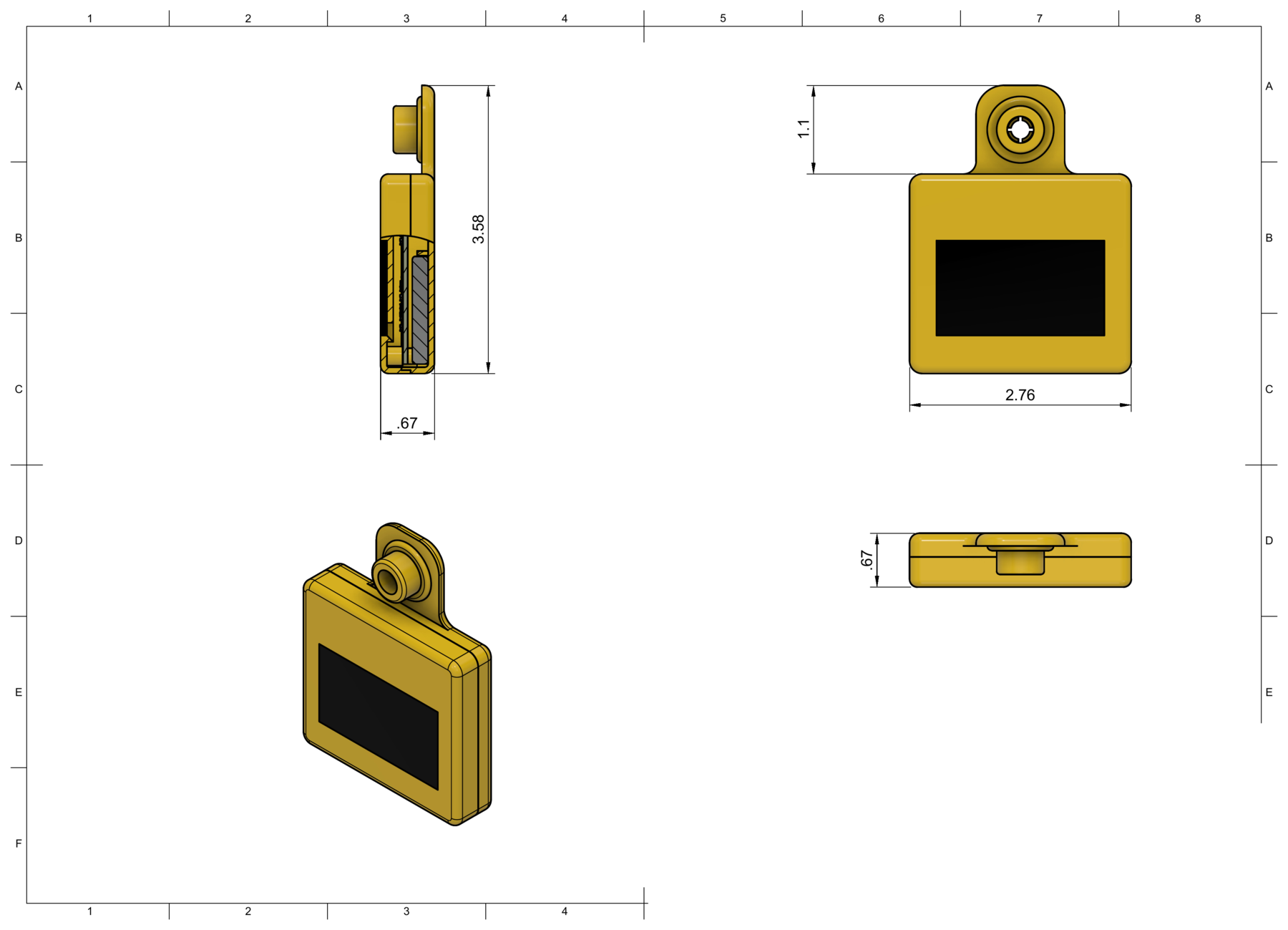
The cattle tag is one system built around four ideas. It’s low-cost—a solar ear tag that talks straight to satellite, with no towers or gateways to buy, so you can cover the whole herd. It’s reliable—solar-powered and rugged, proven on a working ranch, with years of life and fewer gaps. It’s open—your data in open formats, with an API, webhooks, and export. And it’s simple— tag an animal and go; nothing to install or maintain in the field.
Open data, ranch-grade hardware
The hardware has to be closed in the ways that keep it working: weatherproof, animal-safe, radio-certified, and able to run for years on a tiny solar budget. The data does not. Every reading is yours to export and send anywhere—your own pipeline, existing ranch software, or a spreadsheet. No closed app. No lock-in. And we publish our validation so you can check our work.
An operating system for the automated ranch
The cattle tag is the first node. Over time, the same open system extends to the rest of the ranch—water and well sensors, gates, feed, cameras, and eventually drones and ground robots—all sharing data through the same open interfaces. Reliable, open data is what makes an automated ranch possible. Fully autonomous, but never unmanned.
We’re bootstrapped, prototyping on a 20,000-acre family ranch in New Mexico, and building alongside researchers. If you study the open range—or run it—we’d like to build it with you.